|
|
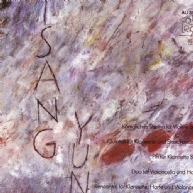
| This representative collection of Isang Yun’s colorful chamber music was first released in 1987 to celebrate the 70th birthday of the Korean composer. The Königliche Thema für Violine solo is really based on Bach’s theme for the fugue of the Musikalische Opfer, so poignantly arranged for orchestra by Anton Webern. Yun presents the theme briefly before varying it seven times, at times freely, with the express intention to take Bach’s theme on a “stroll through Asian traditions.” What’s distinctive about the clarinet quintet is an “infinite melody”, played by the clarinet, which paces space in its entirety. The solo piece Piri, masterly performed by the clarinetist Eduard Brunner, is, in part at least, characterized by its strict dodecaphony. The solo instrument is supposed to represent the “voice of the prisoner” expressing, apart from suffering, his occasional attempts to gain freedom of mind. The Duo für Violoncello und Harfe, composed in 1984, derives its appeal mostly from its impressionistic sound effects. Yun’s 1986 piece Recontre, dedicated to his friends Eduard Brunner, Marion Hofmann, and Walter Grimmer, is characterized by a songlike cello part, a recalcitrant clarinet, and a harp keeping the balance between the two. |
1CD | Contemporary | Special Offers |
|
|
|
| Recommendation |
|
|
|
|
[...] Hudry researches very early on, a form of vigorous interaction between the performer and the machine – an axis of his compositional output.  |
|
|
|
|
|
| Dance music from high-alpine regions and from the low plains, music located somewhere between Schubert, Bartok and a Young Farmers’Ball in East Tyrol. |
|
|
|
|
|
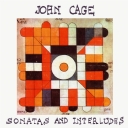
| The master of the prepared piano tackles small musical forms with his accustomed originality in his Sonatas and Interludes. |
|
|